
Advanced Preventative Cardiovascular Health in Dorchester

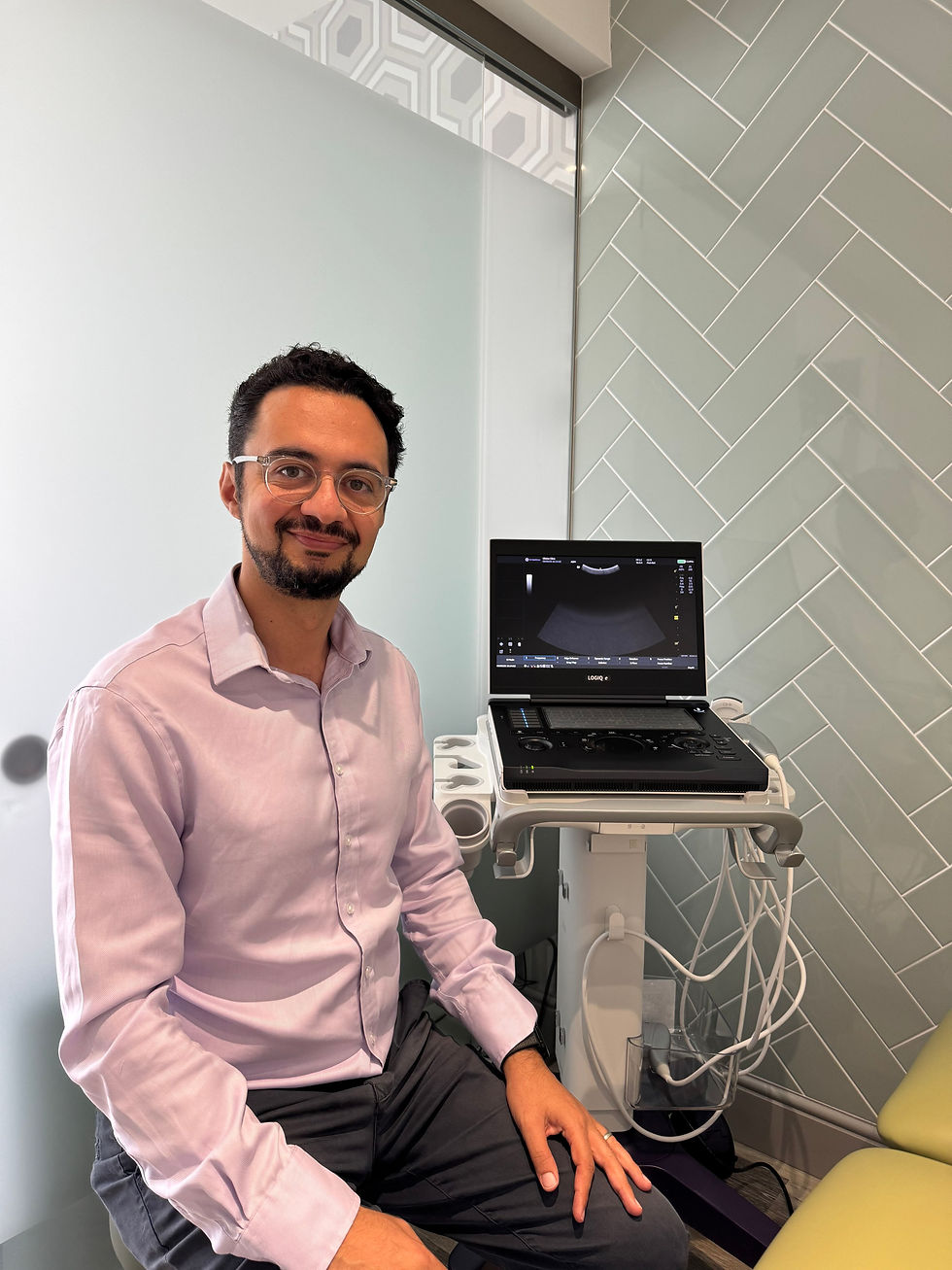
Medical Review: Dr Mehrdad Bordbar BMBS MMedSc MRCGP AFMCP
Location: Olivine Clinic, 5 Hamslade Green, Poundbury, Dorchester, DT1 3DP
What is advanced preventative cardiovascular health?
Advanced preventative cardiovascular health is a proactive, specialised medical approach designed to identify and mitigate the risk of heart disease decades before symptoms appear. Rather than relying solely on standard 10-year risk calculators, advanced preventative care assesses your 30-year (lifetime) cardiovascular risk using state-of-the-art biomarkers—including Apolipoprotein B (ApoB), Lipoprotein(a), and hsCRP—alongside body composition scans and comprehensive medical histories. This enables the creation of a highly personalised risk reduction programme encompassing nutrition, movement, supplements, and medication to secure your long-term heart health.

The Silent Nature of Cardiovascular Disease
Cardiovascular disease (CVD) remains one of the leading causes of morbidity and mortality. The fundamental challenge with heart health is that atherosclerosis—the build-up of fatty plaques within the arteries—is a silent, gradual process. It begins in our twenties and thirties, quietly progressing without causing any noticeable symptoms until a critical event, such as a heart attack or stroke, occurs. By the time symptoms manifest, the disease is often already in its advanced stages. Preventative cardiology aims to intercept this timeline long before the damage becomes irreversible.
The Traditional Approach: Why Standard Testing Leaves Gaps
Traditionally, standard cardiovascular screening in primary care focuses on a relatively narrow set of metrics. While these are important baseline indicators, they do not tell the whole story.
Blood Pressure (BP): A crucial metric, but a normal reading today does not rule out underlying arterial plaque.
Body Mass Index (BMI): A simple height-to-weight ratio that fails to differentiate between healthy lean muscle mass and highly inflammatory visceral fat (the dangerous fat surrounding internal organs).
Standard Lipid Panel: Measures Total Cholesterol, LDL (low-density lipoprotein), and HDL (high-density lipoprotein). However, standard LDL measurements estimate the weight of cholesterol in the blood, not the number of atherogenic particles driving the disease.
HbA1c: Evaluates average blood glucose over three months. It is excellent for identifying diabetes, but often remains normal while early insulin resistance is already damaging blood vessels.
QRISK3 (10-Year Risk): In the UK, standard care utilises the QRISK3 tool to calculate a patient's risk of a cardiovascular event over the next 10 years.
While QRISK3 is an excellent tool for triaging immediate risk, relying exclusively on a 5-to-10-year window has a major flaw: it can severely underestimate risk in younger and middle-aged individuals (Antoniades & West, 2022). A 40-year-old might have a very low 10-year risk purely because of their young age, yet they could be harbouring aggressive, silent risk factors that will inevitably lead to a cardiovascular event decades later.
The Olivine Clinic Difference: Looking 30 Years Ahead
At Olivine Clinic in Poundbury, Dorchester, Dr Mehrdad Bordbar believes that waiting until your 10-year risk crosses a dangerous threshold is waiting too long. Instead of a short-term view, our clinic adopts the latest paradigm shifts advocated by the European Society of Cardiology (ESC) and leading American cardiology societies.
Recent clinical guidelines emphasise a necessary transition toward evaluating lifetime risk (looking 30+ years ahead) rather than merely 10-year risk. Calculating lifetime risk guides the early deployment of preventative treatments independently of a patient's current age, ensuring that hidden risks do not silently progress (Antoniades & West, 2022). This proactive approach aligns seamlessly with the 2021 ESC Guidelines on cardiovascular disease prevention, which strongly stress the importance of personalising risk assessment and deploying early intervention strategies to prevent disease long before a critical event takes place (Visseren et al., 2021).
Advanced Cardiovascular Biomarkers We Test For
To accurately predict your 30-year risk, Dr Bordbar utilises advanced diagnostic testing that goes far beyond routine health checks.
Apolipoprotein B (ApoB)
Standard LDL cholesterol tests measure the total volume of cholesterol inside your lipid particles. However, the true driver of arterial plaque is the number of these particles circulating in your bloodstream. ApoB is a protein found on the surface of every single atherogenic (plaque-causing) particle. By measuring ApoB, we obtain a precise count of the particles that can embed themselves into your artery walls, making it a far superior predictor of cardiovascular risk than LDL alone.
Lipoprotein(a) [Lp(a)]
Often described as the most dangerous cholesterol you have never heard of, Lp(a) is a heavily genetically determined lipid particle that significantly accelerates atherosclerosis and increases the risk of blood clots. Because its levels are dictated by your genetics, routine diet and exercise have little impact on it, and it is entirely missed by standard cholesterol tests. Discovering elevated Lp(a) early is crucial for implementing aggressive preventative strategies across your lifetime.
High-Sensitivity C-Reactive Protein (hsCRP)
Cardiovascular disease is not just a plumbing problem of cholesterol clogging arteries; it is a disease deeply driven by inflammation. hsCRP is a highly sensitive marker that detects low-grade systemic inflammation in the body. Elevated inflammation makes arterial plaques volatile and more likely to rupture, leading to acute heart attacks or strokes. Measuring hsCRP allows us to address this hidden biological fire.
Comprehensive Diagnostics
Extensive Personal & Family History: Genetics load the gun, and lifestyle pulls the trigger. A deep dive into your family history helps us map your inherited risk profile far better than a simple tick-box questionnaire.
6-Lead ECG: An electrocardiogram provides a detailed look at the electrical activity of your heart, identifying structural changes, past silent events, or rhythm abnormalities.
Body Composition Scan: Moving beyond the outdated BMI model, assessing your precise body composition allows us to measure your visceral fat and muscle mass. Visceral fat is a direct driver of cardiometabolic disease, while muscle mass acts as a protective metabolic sink for glucose.
Your Holistic Comprehensive Risk Reduction Plan
Once your advanced diagnostic results are compiled alongside your QRISK3 score, Dr Bordbar creates a comprehensive, highly personalised 30-year cardiovascular risk reduction plan. At Olivine Clinic, we recognise that optimal health requires a multi-modal approach.
Targeted Nutrition: Moving beyond generic advice, we provide tailored nutritional strategies focused on anti-inflammatory and Mediterranean principles. We aim to optimise insulin sensitivity, reduce visceral fat, and lower systemic inflammation.
Movement and Exercise Prescription: Exercise is vital medicine. Your plan will include specific protocols for cardiovascular training to build metabolic efficiency and mitochondrial health, alongside resistance training to build protective muscle mass.
Targeted Supplementation & Herbal Remedies: Where clinical evidence supports their use, we integrate high-quality nutraceuticals and herbal remedies. This may include pharmaceutical-grade Omega-3 fatty acids for inflammation, plant sterols, or targeted vitamins to correct identified deficiencies.
Prescription Medication: When lifestyle and supplements are insufficient to mitigate high risk (such as markedly elevated ApoB or Lp(a)), Dr Bordbar safely prescribes targeted, evidence-based medications, including statins, novel lipid-lowering therapies, or blood pressure modulators.
Annual Follow-Up: Preventative cardiology is an ongoing partnership. We track your biomarkers, reassess your body composition, and fine-tune your regimen annually to ensure you remain on the optimal path for longevity.
Next Steps: Secure Your Heart Health in Poundbury
Your cardiovascular health is too important to leave to standard 10-year estimates. Take control of your future with a proactive, 30-year risk assessment designed to keep you healthy, active, and thriving for decades to come.
Ready to look beyond the basics?
Book a comprehensive cardiovascular health assessment with Dr Mehrdad Bordbar at the Olivine Clinic in Poundbury, Dorchester today. Let us build your personalised blueprint for a longer, healthier life.
Medical Disclaimer:
The information provided in this article is for educational and informational purposes only and does not constitute medical advice. Always consult with a qualified healthcare professional, such as a Private GP, before making any changes to your diet, exercise routine, or medication.
References
Antoniades, C., & West, H. W. (2022). ESC CVD Prevention Guidelines 2021: improvements, controversies, and opportunities. Cardiovascular Research, 118(1), e17–e19. https://doi.org/10.1093/cvr/cvab371
Cited by: 13
Visseren, F. L. J., Mach, F., Smulders, Y. M., Carballo, D., Koskinas, K. C., Bäck, M., Benetos, A., Biffi, A., Boavida, J.-M., Capodanno, D., Cosyns, B., Crawford, C., Davos, C. H., Desormais, I., Di Angelantonio, E., Franco, O. H., Halvorsen, S., Hobbs, F. D. R., Hollander, M., Jankowska, E. A., Michal, M., Sacco, S., Sattar, N., Tokgozoglu, L., & Tonstad, S. (2021). 2021 ESC Guidelines on cardiovascular disease prevention in clinical practice. European Heart Journal, 42(34), 3227–3337. https://doi.org/10.1093/eurheartj/ehab484
Cited by: 9797


Comments