
Irritable Bowel Syndrome (IBS) Treatment in Poundbury, Dorchester: A Private GP & Functional Medicine Approach

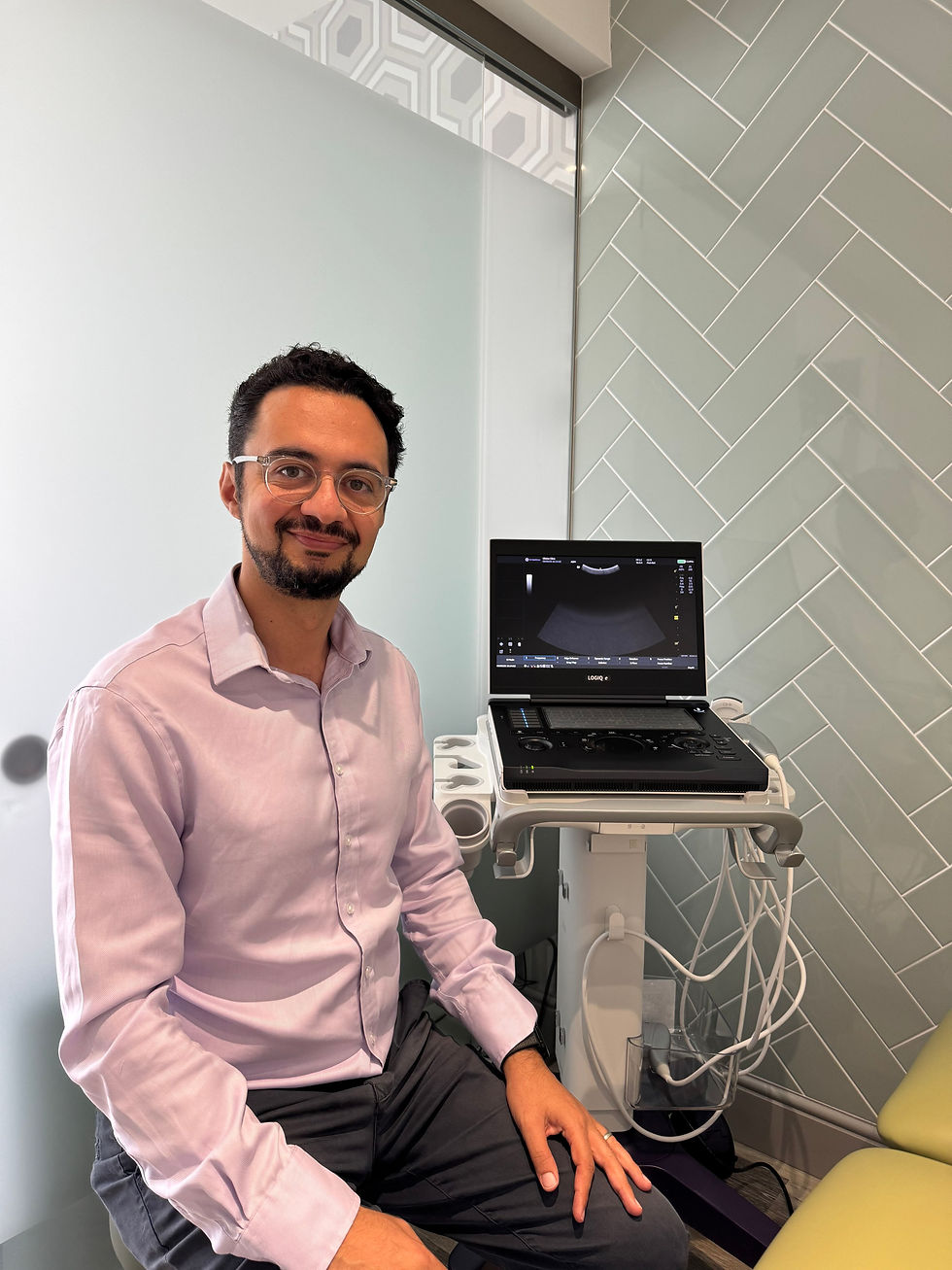
Medically Reviewed By: Dr Mehrdad Bordbar BMBS MMedSc MRCGP AFMCP Practice: Olivine Clinic, 5 Hamslade Green, Dorchester, DT1 3DP Last Updated: April 2026
If you are dealing with chronic stomach pain, unpredictable bowel habits, and severe bloating, you are not alone. Irritable Bowel Syndrome (IBS) is a pervasive condition that severely impacts the quality of life for millions of people. However, finding effective relief often requires looking beyond standard symptom management.
What is Irritable Bowel Syndrome (IBS)? Irritable Bowel Syndrome (IBS) is a common, long-term functional gastrointestinal disorder characterised by chronic abdominal pain, bloating, and altered bowel habits (such as diarrhoea, constipation, or both), without any visible signs of damage or inflammation in the digestive tract.
At Olivine Clinic in Poundbury, Dorchester, we understand that IBS is not a "one-size-fits-all" diagnosis. In this comprehensive guide, we will explore the standard medical approach to IBS, how to distinguish it from more serious conditions, and how integrating a Functional Medicine approach—including advanced gut microbiome testing—can help uncover the root causes of your digestive distress.
Understanding IBS: How It Affects Different People

IBS is a notoriously individualised condition. While one patient might struggle with severe constipation that causes persistent abdominal aching, another might experience urgent, unpredictable diarrhoea that makes leaving the house a source of severe anxiety.
Medical professionals typically categorise IBS into four main subtypes based on stool consistency:
IBS-C (Constipation-predominant): Characterised by infrequent, hard, or lumpy stools, often accompanied by straining and a feeling of incomplete bowel emptying.
IBS-D (Diarrhoea-predominant): Involves frequent, loose, or watery stools, often with a sudden and urgent need to go.
IBS-M (Mixed): Alternating patterns of both diarrhoea and constipation.
IBS-U (Unclassified): Symptoms that do not neatly fit into the above categories.
Beyond the physical symptoms, the psychological toll of IBS is profound. The constant worry about where the nearest toilet is, the embarrassment of severe bloating (often described by patients as "looking six months pregnant"), and the chronic pain can lead to elevated levels of stress, anxiety, and depression.
Common Symptoms of IBS
To help you and your doctor identify IBS, look out for the following core symptoms:
Abdominal pain or cramping: Often relieved or partially relieved by passing a stool.
Significant bloating and swelling of the abdomen.
Changes in bowel habits: Diarrhoea, constipation, or a fluctuating combination.
Excessive wind (flatulence).
Passing mucus from your bottom.
A feeling of incomplete emptying after opening your bowels.
The Crucial Overlap: Ruling Out IBD and Bowel Cancer
One of the most anxiety-inducing aspects of digestive symptoms is their similarity to more severe diseases. Because IBS is a "diagnosis of exclusion" in many respects, it is critical to ensure that your symptoms are not stemming from inflammatory or malignant conditions.
Inflammatory Bowel Disease (IBD)
Conditions like Crohn’s Disease and Ulcerative Colitis fall under the umbrella of Inflammatory Bowel Disease. Unlike IBS, IBD involves actual destructive inflammation and ulceration of the digestive tract. Symptoms that overlap with IBS include abdominal pain and chronic diarrhoea. Key differences: IBD frequently presents with "red flag" symptoms not typical of IBS, such as rectal bleeding, unexplained weight loss, night sweats, and anaemia.
Bowel (Colorectal) Cancer
Bowel cancer can also mimic IBS symptoms, particularly a change in bowel habits or abdominal discomfort. The risk of bowel cancer increases with age, which is why new-onset digestive issues in patients over 50 require immediate and thorough investigation.
How We Differentiate at Olivine Clinic
Patient safety is our primary concern. Before concluding a diagnosis of IBS, we follow rigorous clinical protocols to rule out red flags. As an established Private GP in West Dorset, Dr Bordbar will often utilise:
Comprehensive Blood Tests: To check for anaemia (FBC), systemic inflammation (CRP/ESR), and rule out Coeliac Disease (Tissue Transglutaminase antibodies).
Faecal Calprotectin Test: A highly specific stool test that detects inflammation in the intestines, helping to distinguish between inflammatory (IBD) and non-inflammatory (IBS) conditions.
FIT Test (Faecal Immunochemical Test): To detect microscopic traces of blood in the stool, a potential early marker for bowel polyps or cancer.
For more information on diagnostic criteria, you can refer to the official NHS guidelines on IBS or the NICE Clinical Knowledge Summaries (CKS) on IBS.
The Root Causes: The Gut-Brain Axis and the Microbiome
Why do some people develop IBS while others do not? Medical science in 2026 recognises that IBS is a complex, multifactorial condition. Two of the most heavily researched areas are the gut-brain axis and the gut microbiome.

The Gut-Brain Axis
Your gut and your brain are in constant, bidirectional communication through the vagus nerve and the enteric nervous system (often called the "second brain").
Visceral Hypersensitivity: In many IBS patients, the nerves in the gut are overly sensitive. Normal digestion processes, like the stretching of the bowel wall when food or gas passes through, are registered by the brain as severe pain.
Stress and Trauma: Psychological stress directly impacts gut motility (how fast or slow food moves) and gut permeability. Chronic stress can literally alter the physiological function of your digestive tract, triggering or exacerbating IBS flares.
Dysbiosis and The Gut Microbiome
The human digestive tract is home to trillions of microorganisms, collectively known as the gut microbiome.
Bacterial Imbalance: "Dysbiosis" occurs when there is a reduction in beneficial bacteria and an overgrowth of potentially harmful bacteria or yeast. This imbalance can lead to excessive gas production (fermentation), inflammation, and altered bowel habits.
Post-Infectious IBS: Up to 10-30% of people who suffer a severe bout of gastroenteritis (food poisoning) will go on to develop IBS. The acute infection causes a lasting disruption to the microbiome and localised nerve damage, creating chronic symptoms long after the infection has cleared.
The Standard Approach: NICE CKS Guidelines on IBS
The National Institute for Health and Care Excellence (NICE) provides a robust, evidence-based framework for diagnosing and managing IBS in primary care.
NICE First-Line Management includes:
Dietary and Lifestyle Advice: Eating regular meals, taking time to eat, avoiding missing meals, and ensuring adequate fluid intake. Restricting trigger foods like caffeine, alcohol, spicy foods, and high-fat foods.
The Low-FODMAP Diet: A temporary elimination diet guided by a dietitian to identify specific fermentable carbohydrates that trigger symptoms.
Over-the-Counter (OTC) and Prescribed Medications: * Antispasmodics (e.g., Mebeverine, Buscopan) for pain and cramping.
Laxatives (e.g., Macrogol) for IBS-C.
Antimotility agents (e.g., Loperamide) for IBS-D.
Second-Line Pharmacological Support: In severe cases, low-dose tricyclic antidepressants (TCAs) or SSRIs are prescribed not for depression, but for their neuromodulatory effect on the gut-brain axis, effectively dampening visceral pain signals.
Where the Standard Approach Falls Short: The NICE guidelines are excellent for safety and baseline symptom management. However, for many patients, this approach can feel like a game of "whack-a-mole." You take a pill for diarrhoea, another for pain, and restrict your diet severely, yet the underlying reason your gut is malfunctioning remains unaddressed.
This is where the standard model stops, and a Functional Medicine approach begins.
The Functional Medicine Approach: Personalised Care at Olivine Clinic
Because IBS is defined by its symptoms rather than a single physiological cause, personalised medicine is the only logical approach. What triggers IBS in Patient A (e.g., a localised histamine intolerance and severe stress) may be completely different from Patient B (e.g., post-infectious dysbiosis and poor bile acid absorption).
At Olivine Clinic in Dorchester, Dr Bordbar utilizes a Functional Medicine approach. This means looking at the body as an interconnected system rather than isolated organs. We aim to answer the question: Why is your gut hypersensitive and dysregulated?
Advanced Diagnostics: Microba Gut Microbiome Testing
To complement standard medical diagnostics, Olivine Clinic is proud to offer advanced gut microbiome testing through Microba.
Microba utilises state-of-the-art metagenomic sequencing. Unlike older testing methods that only look for a few specific pathogens, metagenomic sequencing reads the DNA of the entire microbial community in your gut.
How Microba supports your IBS management:
High-Resolution Profiling: It identifies bacteria, fungi, and archaea down to the species and strain level, revealing exact imbalances (dysbiosis) that may be driving your symptoms.
Functional Potential: It doesn't just tell us who is there, but what they are doing. It measures the microbial potential to produce beneficial compounds (like Short-Chain Fatty Acids/Butyrate, which heal the gut lining) or harmful compounds (like excessive methane or hydrogen sulphide, which cause bloating and motility issues).
Targeted Interventions: Instead of guessing with broad-spectrum probiotics, we can use the Microba results to recommend highly specific dietary prebiotics, targeted probiotic strains, and lifestyle interventions designed to rebalance your unique microbiome.
Please note: Microba testing is used as a supportive, investigative tool within a functional medicine framework. It does not replace standard diagnostic tests (like Calprotectin or colonoscopies) used to rule out pathological diseases.
Comprehensive Management: Blending Best Practices
Treating IBS effectively requires a holistic, whole-person strategy. At Olivine Clinic, we blend the safety and rigor of standard medical guidelines with the personalised, root-cause investigations of Functional Medicine.
Your tailored management plan may include:
Nutritional Therapy: Moving beyond the restrictive Low-FODMAP diet toward a diverse, microbiome-nourishing diet tailored to your Microba test results.
Stress Management & Vagal Toning: Incorporating evidence-based techniques (like diaphragmatic breathing, mindfulness, or targeted therapies) to calm the gut-brain axis and reduce visceral hypersensitivity.
Targeted Supplementation: Using specific nutrients to support the integrity of the gut lining and correct dysbiosis.
Judicious Use of Medication: When necessary, utilising standard medications to provide immediate symptom relief while the deeper functional work takes effect.
Next Steps: Reclaim Your Gut Health in Dorchester
You do not have to accept a life dictated by your digestive symptoms. If you have been diagnosed with IBS, or are experiencing unexplained gut issues, it is time to look deeper.
Book an Extended Private GP Consultation with Dr Mehrdad Bordbar at Olivine Clinic. Our extended appointments give you the time to tell your full health story, allowing us to thoroughly investigate your symptoms, rule out red flags, and build a highly personalised, functional medicine-led treatment plan.
Disclaimer: The information provided in this article is for educational and informational purposes only and does not constitute medical advice. Always consult with a qualified healthcare professional regarding any medical concerns, diagnoses, or treatment plans. Do not ignore severe digestive symptoms such as bleeding, weight loss, or persistent pain.


Comments